 Anmelden
Zum Wochenende: Ein Plädoyer für schlanke Software
Software, die niemand mehr versteht und Prozessoren, die nicht mehr skalieren, bilden den Boden für eine IT-Krise.

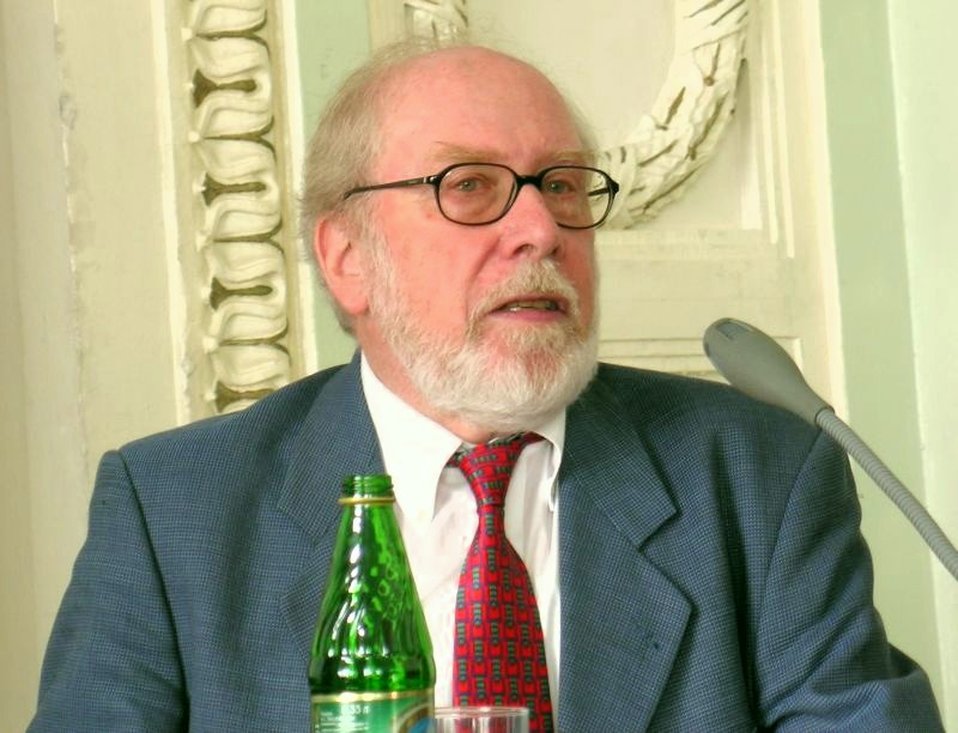

Software, die niemand mehr versteht und Prozessoren, die nicht mehr skalieren, bilden den Boden für eine IT-Krise.
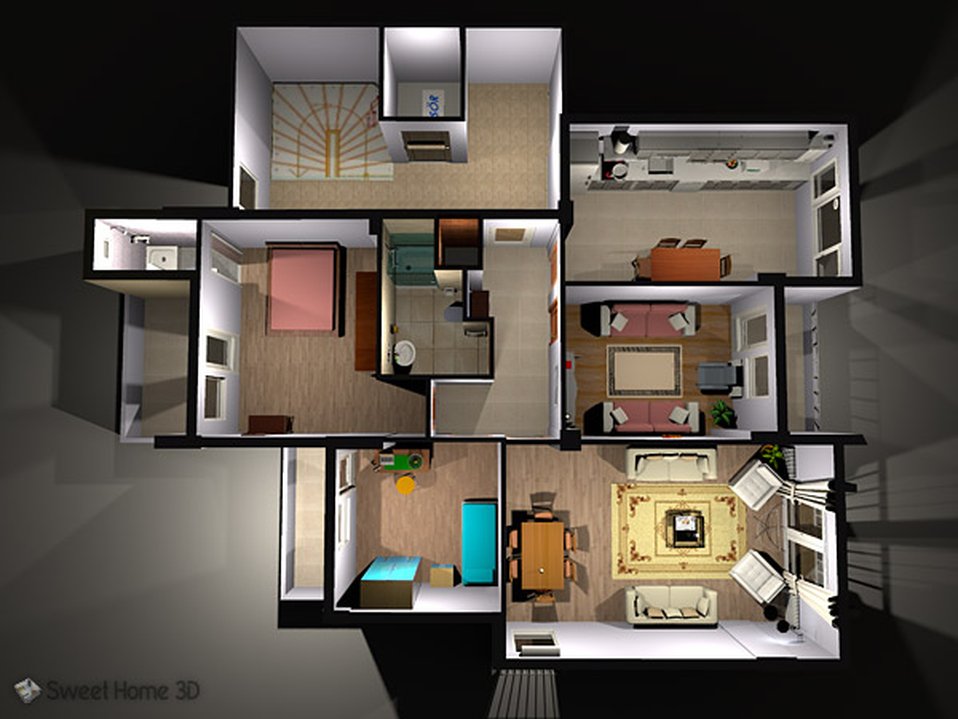
Für die Gestaltung von Innenräumen gibt es die Software Sweet Home 3D. Damit entfällt der Einsatz von Kästchenpapier bei der Raumplanung.

Die CLT finden am 16. und 17. März statt. Unter dem Motto "Zeichen setzen" steht jetzt das Programm für euch bereit.

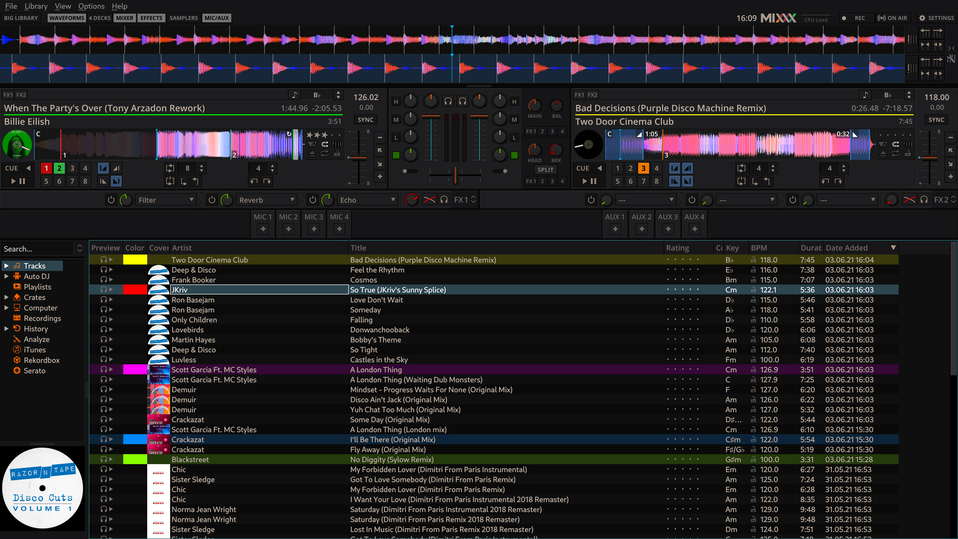
Die neue Version enthält Unterstützung für das Speichern von Loops als Hotcues, explizite Sync-Leader, neue Controller-Mapping-Skripting-Engine und vieles mehr.

COSMIC Desktop ist eine Eigenentwicklung des amerikanischen Linux-Notebook-Herstellers System 76 für dessen Distribution Pop!_OS, kann aber auch in anderen Distributionen

Nachdem unsere Community-Cloud das vorab letzte Software-Upgrade und eine neue SSD erhalten hatte, wurde es nun Zeit auch die Hardware auf eine neue Stufe zu heben. Da wir der Meinung waren, dass hierzu ein Raspberry P4 4 Modell B mit 8GB völlig ausreicht, haben wir uns bewusst für dieses Gerät entschieden. Eingepackt in ein passiv gekühltes Metallgehäuse wird uns diese Kombination, so hoffe ich, die nächste Zeit zuverlässig begleiten.
Da ein Upgrade der installierten Software vom Raspberry Pi 3 auf den Raspberry Pi 4 wenig sinnvoll und auch fast unmöglich umzusetzen ist, war die Idee, die Datenbank und das Datenverzeichnis der Nextcloud in eine Neuinstallation (64-Bit) einzubinden.
Für den Wechsel auf 64-Bit hätte eigentlich parallel zum bestehenden System eine Neuinstallation auf dem erwähnten Raspberry Pi durchgeführt werden müssen. Hier konnte ich mir die Arbeit aber ein wenig erleichtern, indem ich die MicroSD meiner eigenen Cloud klonen konnte. Auf dem geklonten System waren so nur einige Anpassungen vorzunehmen, bevor das neue Gerät an Stelle des 32-Bit-Systems in Betrieb genommen werden konnte.

Die aus dem Raspberry Pi 3 gesicherte Datenbank wurde in den Raspberry Pi 4 eingelesen und die Daten-SSD in die /etc/fstab eingebunden. Danach wurde der ddclient mit der DynDNS neu konfiguriert. Ein neues Zertifikat wurde erstellt und die automatische Upgrade-Routine hierzu angepasst. Zum Schluss mussten nur noch die Ports im Speedport-Router für die neue Hardware freigegeben werden.
Der Aufwand hat sich in dem Sinne gelohnt, da dieses nun mittlerweile über fünfeinhalb Jahre existierende Projekt, zukunftssicher weiterbetrieben werden kann.

Wer noch immer einen Confluence Server einsetzt, muss sich spätestens jetzt dringend um einen Ersatz kümmern. Wir listen auf, welche Wiki-Software es gibt.

Abseits von Gnome und KDE Plasma kommt die Wayland-Unterstützung nur schleppend voran. Etwa das Xfce-Projekt hat nun seine Roadmap etwas konkretisiert.
Seit drei Jahren arbeitet das unabhängige Entwicklerteam hinter Asahi Linux daran, Linux auf Apple Silicon Macs lauffähig zu machen.


Hinter freenginx steht einer der russischen Kernentwickler des nginx-Projekts. Erklärtes Ziel ist die Weiterentwicklung ohne Einmischung von Unternehmen.
Lineage OS 21 ist auf der Basis von Android 14 QPR1 erschienen und bringt unter anderem Verbesserungen beim Unterbau und den ausgelieferten Apps.

Maxim Dounin, einer der Hauptentwickler des Webservers Nginx stellt mit Freenginx einen Fork vor, um die Software frei von willkürlichen Firmenentscheidungen zu halten.

Die Seite Terminal Trove bietet sehr viele Fundstücke für alle, die es lieber im Terminal machen.



Das heimliche Korrigieren von Schwachstellen scheint beim Linux-Kernel ein Ende zu haben. Dieser Eindruck täuscht allerdings.
Folge 073 des CIW Podcasts.
Heute ist I Love Free Software Day

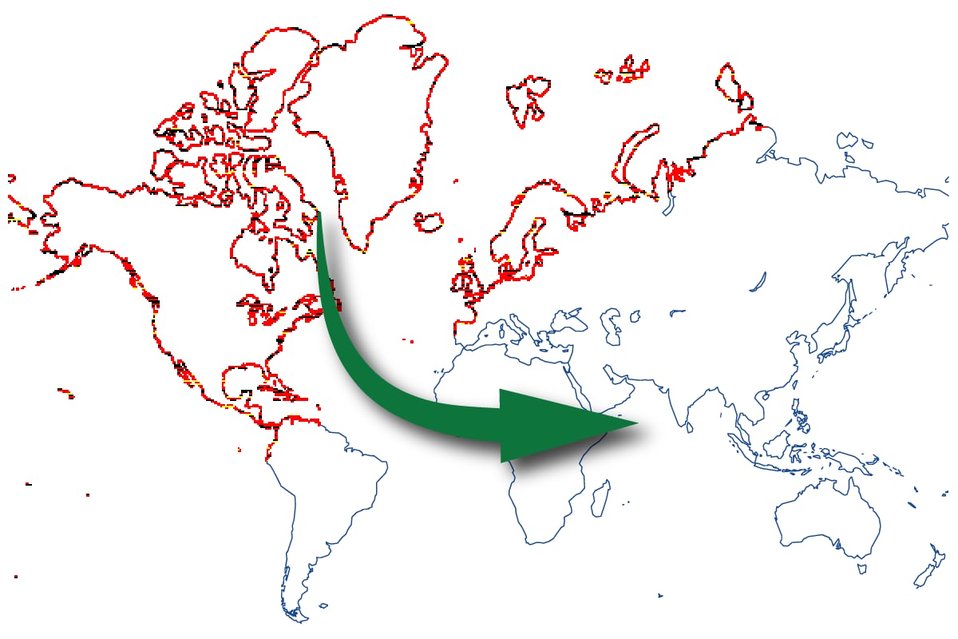
In diesem Jahr möchte das OpenStreeMap-Projekt die Raster-Karten durch Vektor-Karten ersetzen. Daraus ergeben sich viele Vorteile.

Have there been any changes for Free Software in Europe or the USA in the last year? How is Free Software viewed by legislators? What can we do to support software freedom? Karen Sandler and Alexander Sander are active in the Free Software movement and share their views on the current status of Free Software in our society.
Karen Sandler is the executive director of the Software Freedom Conservancy and has a background in law and engineering. Our second guest for this episode is the FSFE's Senior Policy Consultant, Alexander Sander. In his work, Alex focuses on policy topics, always raising the status of Free Software within Europe. Over the past year, he has met with many decision-makers in Europe such as Members of the European Parliament (MEPs) or officials from the European Commission and Council, to talk about Free Software, for example in relation to the AI Act, the Cyber Resilience Act (CRA), or the Product Liability Directive (PLD).
At the same time, across the ocean, the Software Freedom Conservancy has been working with a broad alliance to advocate for the right to repair.
In short a lot has happened in the past year. Luckily, Alex and Karen are here to talk with our host Bonnie about the current situation and what we still need to do for software freedom. Learn more about the state of Free Software with Alex and Karen and find out how you can support software freedom.
This is the perfect episode for everybody who needs a quick summary of the past year. Let's start software freedom!
Show notes
If you liked this episode and want to support our continuous work for software freedom, please help us with a donation.
Vielleicht habt ihr euch beim Programmieren schon einmal geärgert, dass Arrays mit dem Index Null beginnen, statt mit Eins. Im Artikel findet ihr die Antwort.

Unerwartet erhält die Mediaplayer-Software wegen zu vieler Fehler in v20.3 ein weiteres Update auf Kodi 20.4 »Nexus«. Die Arbeit an Kodi 21 geht unterdessen weiter.

Neue Besen kehren gut. Wenige Tage nach der Neubesetzung des Postens des CEO verkündet Mozilla Entlassungen und eine Umstrukturierung der Dienste.


Harvard-Forscher Frank Nagle hat berechnet, was Firmen zahlen müssten, wenn es keine freie Software gäbe. Auch Unternehmensgründer sollen beflügelt werden.

Das Fedora-Projekt sammelt ab sofort alle Desktop-Systeme mit schreibgeschütztem Root-Dateisystem unter dem neuen Namen Fedora Atomic Desktops.
Diese Änderung wird es der UBports Foundation ermöglichen, Fehler- und Sicherheitskorrekturen schneller als bisher bereitzustellen, um ein stabileres und zuverlässigeres Ubuntu Touch-Erlebnis zu gewährleisten.

Once again, FOSDEM did not disappoint! Meeting the Free Software community in Brussels is always one of the best moments of the year! And just before we meet again to celebrate I Love Free Software Day with the news of the Interoperable Europe Act being adopted! This newsletter also includes our first interviews with 2023 Youth Hacking 4 Freedom participants… and more!

Table of contents:
On 14 February Free Software communities around the world gather to celebrate developers, maintainers, and contributors of Free Software projects. Take part in one of the many events across Europe that celebrate the contributors to our favorite type of software: Free Software!
On this day we reach out to those people behind Free Software and say “Thank you” for their work and help throughout the year.
Visit the activity’s website to learn more about “I Love Free Software Day 2024: Forging the Future with Free Software”.
The Interoperable Europe Act has been adopted, on 6 February, in plenary with 524 votes in favour, 18 against, and 97 abstentions. Although some of the potential of the regulation got undermined, the Act as a whole is an important opportunity for Free Software and its community to contribute to an interoperable Europe. The FSFE will closely monitor its implementation.
Find out more about the Youth Hacking 4 Freedom participants in the 2023 edition! We are starting this series of interviews talking with Jannes and Aaron: both worked on projects related to school education, and it is particularly interesting to see how these two projects approached different aspects with a similar spirit.
In the framework of the ITS Academy LAST project, the Free Software Foundation Europe and the Edulife Foundation, the operational partner of ITS Academy LAST, have developed a two-year agreement to deliver educational content to students about Free Software legal aspects, policy, and public awareness.
The Next Generation Internet (NGI) Zero consortium, of which the FSFE is a partner, has just unveiled the NGI0 Commons Fund. This new public fund will award 21.6 million euro to small and medium R&D projects developing Free Software technologies that can improve the Internet.
Since several countries have officially introduced the possibility for users to use their own routers, we want to encourage people to try out and enjoy this freedom. We need your help to design, publish, and print materials that can be used on booths and at other in-person events, so people can talk about and collectively learn about using their own routers.
Isabel Drost-Fromm (Software Engineer and Member of the Apache Software Foundation)
We would love to hear from you. If you have any thoughts, pictures, or news to share, please send them to us at newsletter@fsfe.org. You can also support us, contribute to our work, and join our community. We would like to thank our community and all the volunteers, supporters, and donors who make our work possible, with a special mention to our translators who make it possible for you to read this newsletter in your mother tongue.
Your editors, Ana and Tommi
Die UBports Foundation wechselt mit Ubuntu Touch zu einem kalenderbasierten Release-Modell mit zwei Hauptveröffentlichungen pro Jahr.

