 Anmelden
DuckDB 2.0.0: Neues LTS-Release bringt Performanceschub und KI-Agent-Erkennung

DuckDB 2.0.0 verbessert den Servermodus, unterstützt asynchrones I/O und SQL-Trigger, erkennt KI-Agenten und erhält Support bis Oktober 2027.

DuckDB 2.0.0 verbessert den Servermodus, unterstützt asynchrones I/O und SQL-Trigger, erkennt KI-Agenten und erhält Support bis Oktober 2027.

Der Mailserver Stalwart erreicht Version 1.0: mit schnelleren Parsern, einer erweiterten Volltextsuche und Änderungen an Datenbank und OAuth.
Das OpenSSL-Projekt hat Version 4.1.0 seiner Verschlüsselungsbibliothek veröffentlicht.
Fedora 45 wird mit KMSCON im Userspace anstelle der herkömmlichen VT-Implementierung im Kernel ausgeliefert. Die aktuelle Version 10.1 bringt individuelle Einstellungen für mehrere Monitore.
Red Hat befragte 1400 CIOs in 14 Ländern, darunter auch Deutschland, zur KI-Nutzung und zum KI-Risikomanagement in ihrem Unternehmen.
Die Free Software Foundation Europe (FSFE) hat die Gewinner der fünften Ausgabe des europäischen Programmierwettbewerbs Youth Hacking 4 Freedom (YH4F) in Brüssel ausgezeichnet.
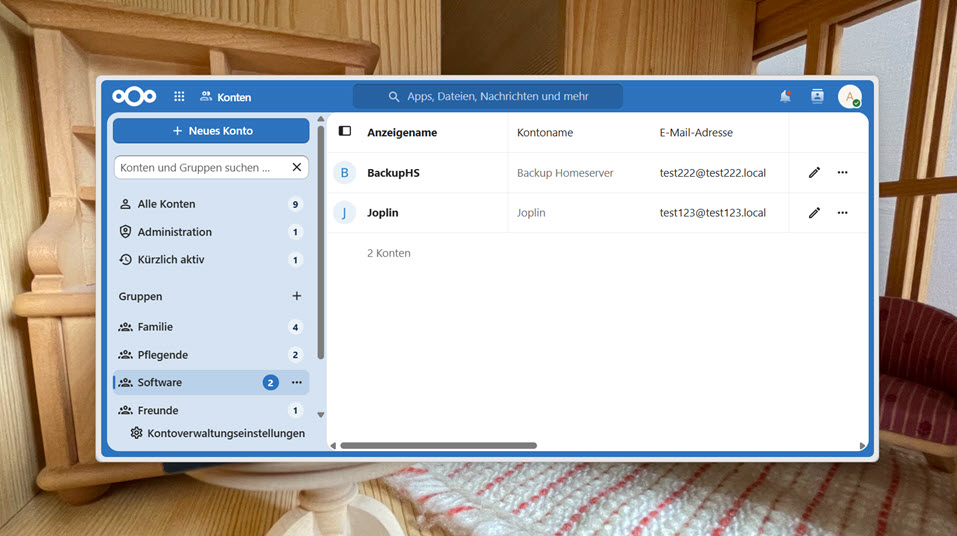
Zusätzliche Nextcloud-Konten für Datenbestände erhöhen die Übersicht im eigentlichen Dokumentenbereich.

 PHP2Shell auszunutzen ist schwierig. Dennoch wurden bereits einige anfällige Systeme infiltriert - unter anderem, um an eine Bitcoin-Wallet zu gelangen. (Sicherheitslücke, PHP)
Die Entwickler von UBports haben ein Wartungsupdate für Ubuntu Touch herausgegeben, um die kompromittierten Zertifikate der Zertifizierungsstelle eMudhra zu blockieren.
Das openSUSE-Projekt hat Agama 25 veröffentlicht. Die neue Version des webbasierten Linux-Installers bringt ein integriertes Terminal, eine überarbeitete Netzwerkkonfiguration und Verbesserungen bei der Bedienung. Gleichzeitig treiben die Entwickler den Ausbau von Agama zum Standard-Installer für openSUSE Tumbleweed voran. Mit dem neuen Web-Terminal können Nutzer während der Installation direkt über die grafische Oberfläche auf eine Shell […]
Der Beitrag Agama 25: openSUSE-Installer erhält Web-Terminal und bessere Netzwerkkonfiguration erschien zuerst auf fosstopia.
Der Open-Source-Passwortmanager Bitwarden ändert die Lizenzierung seiner Anwendungen. Künftig sollen Versionen aus offiziellen App-Stores und von der Unternehmenswebsite unter einer kommerziellen Lizenz veröffentlicht werden. Der bisherige GPLv3-Code bleibt auf GitHub verfügbar, allerdings könnte sich der Funktionsumfang der frei lizenzierten Variante langfristig von den kommerziellen Ausgaben unterscheiden. Die Umstellung betrifft unter anderem die Apps aus Google […]
Der Beitrag Bitwarden ändert Lizenzmodell: Offizielle Apps werden künftig kommerziell lizenziert erschien zuerst auf fosstopia.
Firefox 159 sowie Firefox 153.6 ESR und 115.44.0 ESR werden im Tagesverlauf offiziell freigegeben. Firefox 159 behebt einige Wayland-Probleme. Webentwickler können CSS‑Animationen an die Scrollposition koppeln.
Valve hat ein neues stabiles Update für den Steam Client veröffentlicht, das unter anderem die Spielerfahrung mit Vulkan-Spielen unter Linux verbessern soll. Die Aktualisierung behebt Abstürze und Hänger beim Wechsel zwischen Anwendungen, korrigiert mehrere Fehler der Benutzeroberfläche und reagiert auf den Sicherheitsvorfall rund um kompromittierte kryptografische Schlüssel von eMudhra. Eine wichtige Korrektur betrifft Linux-Systeme, auf […]
Der Beitrag Steam-Client-Update behebt Vulkan-Probleme und blockiert kompromittierte Zertifikate erschien zuerst auf fosstopia.
Das Problem minderwertiger KI-Beiträge ist real. Die Moderation auf Reddit führt aber einen Rundumschlag auch gegen langjährig gepflegte Projekte und Menschen mit geringen Englischkenntnissen durch.

Das COOLFest 2026 von Collabora Online führte zu mehr Übersetzungen und neuen GitHub-Beiträgen. Die deutsche Oberfläche ist fast fertig.
 Die Reddit-Community r/opensource stellt neue Regeln auf, um etwa KI-Nutzung zu unterbinden. Das wird stark kritisiert. (Reddit, Softwareentwicklung)
Deutsche Jugendliche gehören zu den Gewinnern und Gewinnerinnen von Youth Hacking 4 Freedom 2026, dem europäischen Programmierwettbewerb.
Weltweite Sicherheitslücke ermöglicht die Übernahme von Servern – OpenTalk und OpenCloud setzen auf Rust und Go statt PHP.
Nicht immer gelingt der Umstieg auf Open-Source-Software, wie derzeit am Beispiel Dänemarks zu sehen. Leider gibt es keine abschließende Beurteilung, von der andere Länder lernen könnten.

Python 3.15.2, 3.14.10, 3.13.18, 3.12.16 und 3.11.18 beheben eine kritische Schwachstelle durch kompromittierte eMudhra-Zertifikate und weitere Lücken.
Nach den Speicherchips, deren Produktionskapazität größtenteils in riesige KI-Projekte fließt, vereinnahmt KI nun die nächste Schlüsselressource aller Elektronik: die Leiterplatte.
Das KeePassXC-Projekt hat Version 2.8.0 seines Passwortmanagers veröffentlicht.
Eine bootfähige Zeitkapsel – das historische NixOS-Image unter der Lupe.

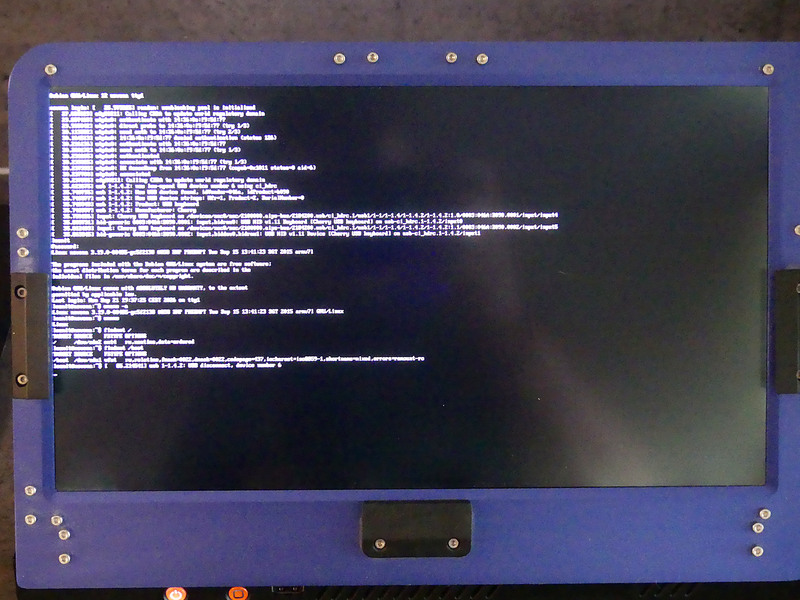
Mit dem Notfall-Release auf Tails 7.15.1 reagieren die Entwickler auf ein Sicherheitsproblem bei der indischen Zertifizierungsstelle eMudhra wegen kompromittierter Schlüssel.
LibreOffice wächst: Seit der Veröffentlichung von Version 26.8 im August wurde die freie Office-Suite innerhalb von acht Wochen insgesamt 9,4 Millionen Mal heruntergeladen. Das geht aus aktuellen Zahlen der Document Foundation (TDF) hervor. Zwischen dem 24. August und dem 18. Oktober entspricht das durchschnittlich mehr als einer Million Downloads pro Woche. Damit übertrifft LibreOffice bereits […]
Der Beitrag LibreOffice verzeichnet 9,4 Millionen Downloads in acht Wochen erschien zuerst auf fosstopia.
